
Technology
Inverter PCB: Design, Functions & Importance in Power Electronics

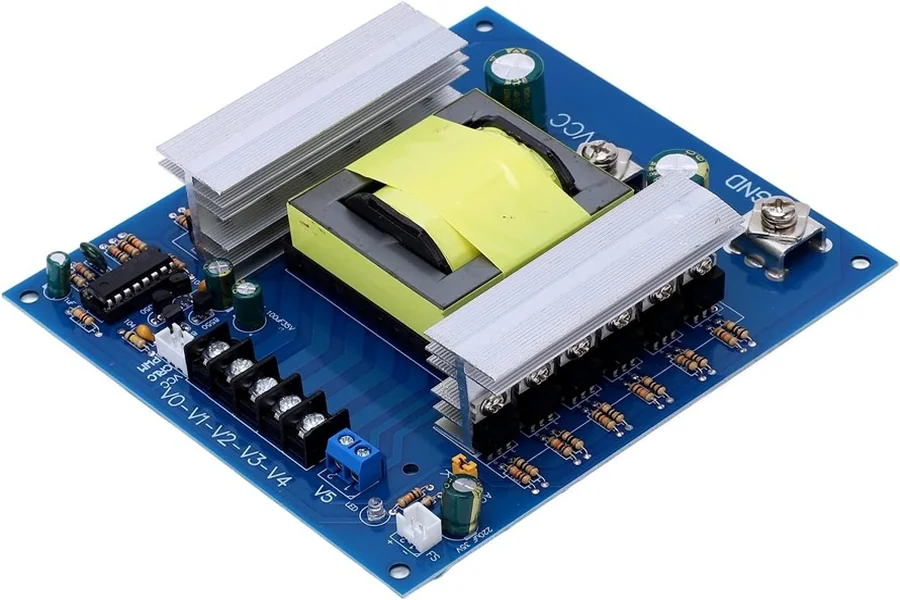
In today’s electronics-driven world, inverters play a crucial role in converting DC (direct current) power into AC (alternating current) power for use in homes, industries, and renewable energy systems. At the core of every inverter is the Inverter PCB—a specialized printed circuit board that governs how efficiently and safely the conversion takes place. From solar systems to uninterruptible power supplies (UPS), Inverter PCBs are the silent yet vital components that ensure performance, reliability, and energy efficiency.
What is an Inverter PCB?
An Inverter PCB is a printed circuit board designed to manage and support the electronic components required for DC to AC power conversion. These boards typically house microcontrollers, IGBTs (Insulated Gate Bipolar Transistors), MOSFETs, diodes, transformers, and passive components, all of which work together to regulate voltage and frequency output. Unlike standard PCBs used in consumer electronics, Inverter PCBs must handle higher power levels, heat dissipation, and complex signal control with absolute precision.
The layout and materials used in an Inverter PCB are optimized to ensure high reliability and performance in environments where power fluctuation and thermal stress are common. High-grade substrates like FR-4, aluminum-based PCBs, or even ceramic PCBs are often used depending on the power requirements.
Key Features and Performance Parameters
The design of an Inverter PCB is tightly linked to its application—whether it’s for a residential solar inverter, an industrial UPS, or an electric vehicle charging system. Regardless of the specific use case, certain performance aspects remain central.
Thermal management is a critical factor. Inverter PCBs generate significant heat, especially when switching large currents. Efficient heat dissipation through thermal vias, copper planes, and heat sinks is essential to prevent component failure.
The signal integrity and noise reduction also matter. High-frequency switching can lead to electromagnetic interference (EMI), so the Inverter PCB layout must minimize inductive loops and maintain controlled impedance paths.
Protection features are another must. These boards often include over-voltage protection, over-temperature detection, and short-circuit protection to ensure safety and long-term operation.
Applications Across Industries
Inverter PCBs are found in a wide range of electronic systems that require DC-AC power conversion. One of the most prominent applications is in solar inverters, where these boards play a central role in converting solar panel DC output into usable AC power for homes and the electrical grid.
In electric vehicles (EVs), Inverter PCBs are used in motor control units to convert battery-stored DC power into AC power required to drive the motors. They are also key components in EV chargers and regenerative braking systems.
Another significant area is uninterruptible power supplies. UPS systems rely on inverter PCBs to provide continuous power during grid outages, particularly in hospitals, data centers, and manufacturing facilities. These PCBs must deliver high reliability and fast response times to keep critical systems running without interruption.
Industrial automation and HVAC systems also depend on Inverter PCBs for motor control, energy efficiency, and performance tuning. From fans and compressors to conveyor belts and robotic arms, these boards ensure that systems run smoothly and efficiently.
Importance of Quality in Inverter PCB Manufacturing
Manufacturing an Inverter PCB is not just about assembling components on a board—it involves precision engineering, advanced fabrication techniques, and rigorous quality control. A poorly designed or manufactured Inverter PCB can lead to overheating, signal distortion, or even catastrophic failure of the system.
Material selection plays a crucial role in thermal and electrical performance. Multilayer board designs are often necessary to manage signal routing, power planes, and heat distribution efficiently. Solder mask integrity, trace width control, and via quality all contribute to the board’s long-term reliability.
Testing is equally important. In-circuit testing (ICT), functional testing, and thermal stress testing ensure that each Inverter PCB performs as expected before it is deployed in real-world applications.
Custom vs. Standard Inverter PCBs
Many manufacturers offer off-the-shelf Inverter PCBs for general applications. However, as demand grows for optimized energy usage and application-specific performance, custom Inverter PCB solutions are becoming more popular. These are tailored to match specific voltage ratings, power output, size constraints, and thermal profiles.
Custom Inverter PCBs allow for better integration with existing systems, enhanced reliability, and cost savings in the long run due to fewer failures and maintenance issues. Whether you’re developing an inverter for solar panels, electric vehicles, or HVAC systems, working with an experienced PCB manufacturer can make all the difference.
Conclusion
The Inverter PCB is an essential component in modern electronics, enabling efficient and reliable DC to AC conversion across a variety of applications. Its performance directly impacts the functionality and lifespan of power systems, making design quality and manufacturing precision non-negotiable.
With the rapid growth in renewable energy, electric vehicles, and smart home systems, demand for high-performance inverter solutions will only continue to rise. As this technology evolves, so too must the PCBs that power it—requiring innovative materials, smart layouts, and experienced manufacturing.
Choosing a trusted partner like Viasion Technology for Inverter PCB design and production ensures not just quality, but long-term success in an energy-conscious world. Whether for industrial use or consumer electronics, the right Inverter PCB can significantly improve efficiency, safety, and system longevity.

Crack The Code: Turning Casual Gaming Into Big Wins

Medical PCB Assembly: Precision Manufacturing for Life-Critical Electronics

Body Lotion For Oily Skin: How To Choose The Right One

Erik Hosler on How AI-Driven Chip Innovation Is Powering the Brains of Self-Driving Vehicles

From Runway To Real Life: Styling The Dramatic Hemline Top

The Hidden Challenges of Live Translation in Noisy Event Environments

Moving Long-Distance with Kids or Pets: Stress-Free Tips for Families

Turkey Real Estate With Residency And Citizenship Benefits

Inverter PCB: Design, Functions & Importance in Power Electronics

A Man’s Guide to Successful Hair Transplant in Turkey

Iman Esmail ( Dancer ) wiki, bio, facts, family, age, and more

NCR Days (Web Series) Cast, Wiki, Storyline, and more.

Surthy Cooks ( Influencer ) wiki, age, family, net worth, and more

Anushka Kaushik (Actress) – Age, Wiki, Weight, Career and More.

Saloni Sanu (Kumar Sanu’s wife), age, family, facts and more

Crushed (Web Series) details, facts, releasing date, cast, and more

Ambrish Verma (actor) age, height, weight, career, girlfriend, facts, and more

Caroline Brossard (Harish Salve’s wife) – age, facts and much more

Trust Issues (Amazon Mini Tv) wiki, cast, release date, and more
