
Technology
Medical PCB Assembly: Precision Manufacturing for Life-Critical Electronics

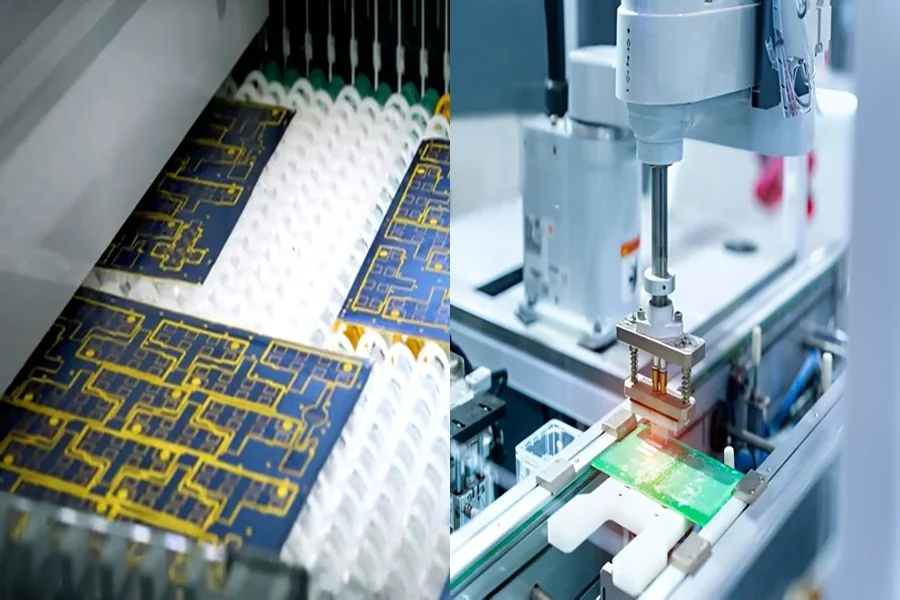
Medical PCB assembly is a highly specialized electronics manufacturing process dedicated to producing printed circuit boards used in medical and healthcare devices. These PCBs are the backbone of modern medical technology, supporting equipment that monitors, diagnoses, treats, and sustains human life. Because medical devices operate in sensitive environments and often interact directly with patients, medical PCB assembly must meet exceptionally high standards of precision, reliability, and regulatory compliance.
Unlike standard electronics, medical PCB assembly is governed by strict quality requirements, traceability rules, and performance expectations. Even a minor defect can impact patient safety or device accuracy. As a result, manufacturers involved in medical PCB assembly focus on controlled processes, advanced inspection, and consistent documentation to ensure dependable performance throughout the product lifecycle.
Importance of Medical PCB Assembly in Healthcare Devices
Medical PCB assembly plays a critical role in enabling the functionality of a wide range of healthcare technologies. These assemblies support accurate data processing, power management, signal transmission, and system control in medical equipment.
Supporting Accurate Diagnosis and Monitoring
Medical devices such as patient monitors, imaging systems, and diagnostic tools rely on medical PCB assembly to deliver precise electrical performance. Stable signal integrity and reliable power distribution are essential for accurate readings and real-time monitoring. Proper medical PCB assembly ensures that sensors and processors function without interference or signal loss.
Enhancing Patient Safety and Device Reliability
Patient safety is the highest priority in healthcare electronics. Medical PCB assembly is designed to minimize the risk of electrical failure, overheating, or malfunction. Robust solder joints, secure component placement, and carefully selected materials help ensure long-term reliability even under continuous operation.
Materials Used in Medical PCB Assembly
Material selection is a key factor in achieving the performance and safety requirements of medical PCB assembly.
High-Quality PCB Substrates
Medical PCB assembly commonly uses high-grade FR4 materials, high-temperature laminates, or specialized substrates designed for stability and durability. These materials help maintain electrical performance while withstanding sterilization processes, temperature variations, and mechanical stress.
Biocompatible and Durable Components
In many applications, medical PCB assembly involves components that must comply with biocompatibility and safety standards. The use of reliable, certified electronic components reduces the risk of failure and ensures compliance with medical regulations.
Medical PCB Assembly Process Overview
The medical PCB assembly process follows tightly controlled steps to maintain consistency and quality at every stage.
Precision Component Placement
Accurate placement is essential in medical PCB assembly, especially for compact and high-density designs. Advanced placement equipment ensures components are positioned correctly to support signal integrity and reduce the likelihood of defects.
Controlled Soldering Techniques
Medical PCB assembly uses refined soldering processes to create strong, clean, and reliable electrical connections. Reflow and selective soldering are carefully monitored to prevent thermal damage to sensitive components while ensuring long-term joint reliability.
Quality Standards and Compliance
Compliance with international standards is a defining feature of medical PCB assembly.
Regulatory Requirements
Medical PCB assembly must align with standards such as ISO 13485 and other medical quality management systems. These standards emphasize process control, risk management, and full traceability from raw materials to finished products.
Documentation and Traceability
Traceability is essential in medical PCB assembly. Every board can be tracked through production, inspection, and testing stages. This level of documentation supports audits, regulatory approvals, and long-term product support.
Testing and Inspection in Medical PCB Assembly
Testing is a critical component of medical PCB assembly, ensuring each board performs exactly as intended before deployment.
Electrical and Functional Testing
Medical PCB assembly includes thorough electrical testing to verify voltage levels, signal accuracy, and power stability. Functional testing confirms that the PCB performs correctly within the medical device system.
Inspection for Hidden Defects
Advanced inspection methods such as automated optical inspection and X-ray analysis are often used in medical PCB assembly. These techniques help identify solder voids, misalignment, or internal defects that could compromise performance.
Applications of Medical PCB Assembly
Medical PCB assembly supports a wide range of healthcare and medical applications.
Diagnostic and Imaging Equipment
Devices such as ultrasound machines, CT scanners, and laboratory analyzers depend on medical PCB assembly for accurate signal processing and reliable power control.
Therapeutic and Life-Support Systems
Medical PCB assembly is also essential in life-support equipment, infusion pumps, ventilators, and implantable devices. In these applications, consistent performance and durability are absolutely critical.
Challenges in Medical PCB Assembly
Medical PCB assembly presents unique challenges that require specialized expertise.
Miniaturization and High Density
Modern medical devices are becoming smaller and more portable. Medical PCB assembly must support compact layouts while maintaining performance and reliability.
Long Product Lifecycles
Medical equipment often remains in service for many years. Medical PCB assembly must ensure long-term component availability, stable materials, and consistent manufacturing quality.
Conclusion
Medical PCB assembly is a mission-critical manufacturing process that underpins the safety, accuracy, and reliability of modern healthcare technology. From diagnostics and monitoring to life-saving therapeutic systems, the quality of medical PCB assembly directly impacts patient outcomes. Partnering with an experienced provider of PCB assembly China solutions enables medical device manufacturers to achieve high-quality production, regulatory compliance, and cost efficiency while maintaining the strict standards required in the healthcare industry.

Crack The Code: Turning Casual Gaming Into Big Wins

Medical PCB Assembly: Precision Manufacturing for Life-Critical Electronics

Body Lotion For Oily Skin: How To Choose The Right One

Erik Hosler on How AI-Driven Chip Innovation Is Powering the Brains of Self-Driving Vehicles

From Runway To Real Life: Styling The Dramatic Hemline Top

The Hidden Challenges of Live Translation in Noisy Event Environments

Moving Long-Distance with Kids or Pets: Stress-Free Tips for Families

Turkey Real Estate With Residency And Citizenship Benefits

Inverter PCB: Design, Functions & Importance in Power Electronics

A Man’s Guide to Successful Hair Transplant in Turkey

Iman Esmail ( Dancer ) wiki, bio, facts, family, age, and more

NCR Days (Web Series) Cast, Wiki, Storyline, and more.

Surthy Cooks ( Influencer ) wiki, age, family, net worth, and more

Anushka Kaushik (Actress) – Age, Wiki, Weight, Career and More.

Saloni Sanu (Kumar Sanu’s wife), age, family, facts and more

Crushed (Web Series) details, facts, releasing date, cast, and more

Ambrish Verma (actor) age, height, weight, career, girlfriend, facts, and more

Caroline Brossard (Harish Salve’s wife) – age, facts and much more

Trust Issues (Amazon Mini Tv) wiki, cast, release date, and more
